

Why We Do
What We Do
Meet Sally (undisclosed patient)
We initially connected with this extremely vulnerable individual who was sleeping rough. The patient had not received asthma treatment or a respiratory review in the past and was wheezing down the phone to the HealthBus GP in the initial consultation. The HealthBus GP liaised with the housing team who quickly arranged accommodation. They were placed in an emergency hotel which the HealthBus Team visited the following day. Despite starting inhalers, this was not enough to avoid a severe episode of asthma which required emergency nebuliser treatment on the HealthBus mobile clinic as well as a prescription for steroids and antibiotics. This avoided hospital admission. The HealthBus Team have subsequently discussed this person with multiple agencies and wrap-around care and assessments are now in place.
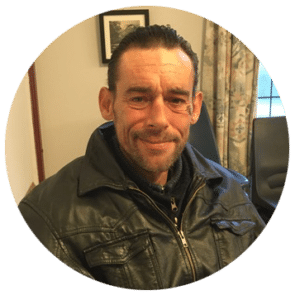
Meet Wayne
“People here at the HealthBus really care. For the first time in over 30 years I feel hopeful about the future and where I am going and what I am doing. The nurses and doctors are supporting me with my wellbeing and mental health. Coming to St. Stephen’s Hall where the HealthBus is, allows myself and friends to feel welcome and valued. It’s the simple things of being able to chat with someone and having a hot drink that makes all the difference. The HealthBus gives me the chance to rebuild my life whilst accessing essential health support.”
Meet Jen (undisclosed patient)
One patient for whom antidepressants, methadone and substance misuse could have had life-threatening consequences saw the HealthBus Team. To ensure safe prescribing we advised this patient that ECG monitoring was required. From their records, we could see that other medical teams attempted to engage this patient to have an ECG for over a decade. With the assurance of a normal ECG the preferred antidepressant has been continued.
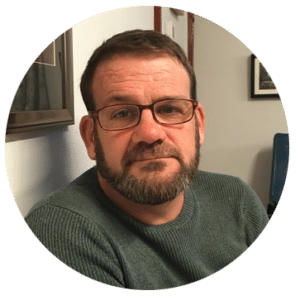
Meet Dean
“No one sets out to be purposefully on the streets … sometimes you face situations which just leave you broken and desperate. After losing my job, home and key relationships my mental health deteriorated; and I resorted to harmful substances which drove me to the streets. After lots of encouragement from visiting health professionals I have found hope and compassion from those involved with the HealthBus. This service is a lifeline! A much needed refuge for those who are vulnerable. The staff and team involved with the HealthBus have saved and are saving lives … this work must continue!”
Meet Ted (undisclosed patient)
The HealthBus offers accessible healthcare even to the most complex patients who engage poorly. Our hope is that opportunistically, we may be able to avoid more serious health consequences with people who would otherwise not seek medical healthcare. One such occasion was following a nurse consultation regarding a possible DVT and need for analgesia. The patient was signposted to the GP for a prescription. On further questioning this patient reported acute visual disturbance following a fall and head injury in the previous week. They had not been to A & E at the time and so the HealthBus team arranged urgent hospital assessment.
Meet Roxi (undisclosed patient)
One patient experienced homelessness for the first time last year when their mother moved into a residential home, leaving the patient without residential accommodation. They presented at the HealthBus with concerns about hypertension in the light of a strong family history of cardiovascular disease. In view of this finding, they have had a screening, blood tests and an ECG looking for end-organ damage. We have identified a problem with the heart muscle, possibly secondary to long-standing high blood pressure. The patient is now requiring regular antihypertensives and regular BP monitoring together with treatment for raised cholesterol to reduce their cardiovascular risk factors. They are stabilising on opiate substitute treatment and is using nicotine replacement patches to further reduce the risk of cardiovascular disease in the future.

Meet Suzy (undisclosed patient)
One patient suffering from chronic health problems had neglected their medication for some time and had not engaged with primary care. As a result, they ended up in hospital as an emergency due to heart failure and an irregular heartbeat. As a result, HealthBus GPs and Nurses have been looking out for this patient and have kept in close contact following discharge. Part of the challenge with this person was their lack of understanding about their deteriorating health condition. Due to close working between secondary care and primary care, Homeless Health Teams and follow up in the community, this person is now coming to terms with the importance of engaging with medical care and continuing their treatment. This is likely to reduce the need for further admissions and make the life-threatening illness less likely.
Meet Vasco
A life turned around
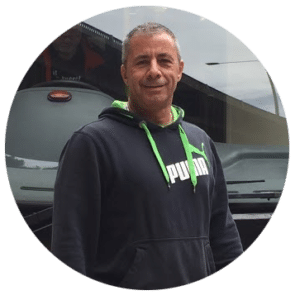
If you visit the Bournemouth HealthBus on a Thursday morning, you’ll probably meet Vasco De Oliveira. He’s a support worker for Michael House, which provides accommodation for homeless and vulnerable people.
Vasco brings plenty of smiles and positive energy. He’s a truly inspiring character, having experienced homelessness and addiction. Now six years clean, Vasco happily devotes his life to helping others.
A new life in England
When Vasco first arrived in this country 24 years ago, he came for treatment. He’d become addicted to heroin and cocaine back in his native Portugal, and attended a rehab centre in Bournemouth.
The treatment (based on the 12 Steps) worked. So Vasco got on with his new life in England, thinking that going back home to Lisbon would result in the same situation as before. This new start seemed the best way to change his life.
After a year clean, Vascco got a job in a nightclub, an environment he thought he’d enjoy. But after a month he started drinking again and a couple of months later he started taking drugs, thinking he could control it.
At this point he met his wife, one of several relationships. But when they broke up Vasco became depressed, stopped working and started drinking more.
A pattern emerged over the next 20 years or so as Vasco had three children with three different people. “In my head I was doing alright” Vasco explains, “But I would go into a relationship, it would go wrong, and I’d go into another. I kept doing the same thing expecting different results!”
About eight years ago Vasco got back into his drugs of choice, heroin and cocaine. His third significant relationship came to an end, and after being arrested he was left homeless. “Everything was lost and there was nowhere to go” he remembers.
Vasco tried Shelter Dorset and was immediately booked in for an assessment at Michael House. Fortunately, they were able to accept him straight away.
Recovery at Michael House
Michael House is a ‘dry’ house, which means it’s drug and alcohol free. Vasco was ready to make that change, but there were many challenges, including sharing a room (something he’d not done since military service in Portugal!). He followed the 12 Step Programme and started to connect with people at church.
Vasco had an inspirational support worker at Michael House who was an ex-addict himself. He mentored Vasco and helped in many different ways.
Applying the 12 Steps every day is important to Vasco and he recommends these principles for anyone, whether recovering from addiction or not.
After living in Michael House for two years, Vasco was offered a job as a support worker. He’s also a handyman, being an electrician by trade, and a cook.
“I now have a full-time job, a car and I can pay my bills” says Vasco. “It didn’t seem possible six years ago.” Another major change is staying single.
Working with the Bournemouth HealthBus
What does Vasco think of the HealthBus? “It’s definitely a very good service” he says. At the time we spoke, there were three people at Michael House who had arrived through the HealthBus, all of whom were doing well.
“I can use my life experiences to help people” Vasco tells us. “I’m in the right job. My main purpose now is to help people – one day at a time.”
To find out more about Michael House, visit www.michaelhouse.co.uk
DONATE HERE

–
Thank you for your support.
Without a permanent home, it can be difficult to access healthcare for many reasons. The HealthBus team offer specialist GP and medical services at the point of need. They work in partnership with other services providers, such as addiction and mental health specialists, to help people find the support they need to move on in life.
One rough sleeper, Dean, said of the HealthBus service: “No one sets out to be purposefully on the streets … sometimes you face situations which just leave you broken and desperate. After losing my job, home and key relationships my mental health deteriorated; and I resorted to harmful substances which drove me to the streets. After lots of encouragement from visiting health professionals, I have found hope and compassion from those involved with the HealthBus. This service is a lifeline! A much-needed refuge for those who are vulnerable. The staff and team involved with the HealthBus have saved and are saving lives … this work must continue!”